

General Contracting
How To Improve Your Construction Safety Checklist
Aug 26th, 2022
General Contracting
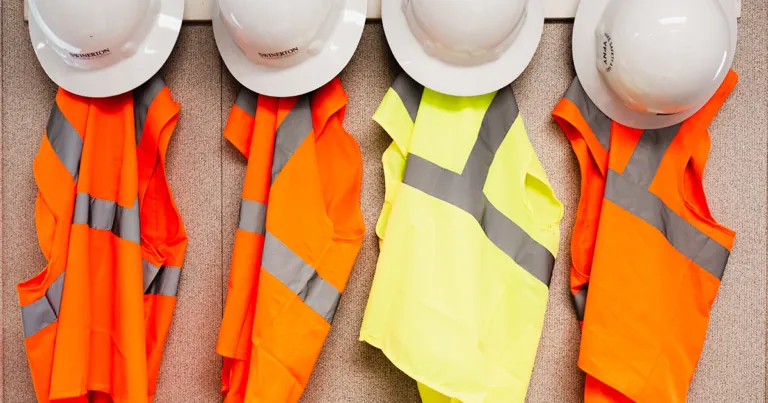
A construction safety checklist is useful when it reflects the work happening on site and leads to follow-up. A generic list can miss changes in access, equipment, or the people working nearby.
For a commercial renovation, the project team should review the checklist as the job progresses. Work in an occupied building also needs coordination with the people who continue to use it.
Review the planned activities with the people responsible for the work. Site access, housekeeping, protective equipment, and emergency arrangements are starting points. Work involving heights, electricity, lifting equipment, or other hazards needs its own assessment and controls.
OSHA’s recommended practices for construction safety and health programs cover hazard identification, worker participation, training, and coordination between employers. A checklist supports that broader program; it does not establish compliance on its own.
A record should make it clear what was found, who will address it, and how the correction will be checked. Site staff also need a way to raise a concern when conditions change between reviews.
Our Heritage Club renovation took place while venue events continued. That project illustrates the need to coordinate construction areas and schedules with an occupied property.
When planning general contracting work, tell us whether staff, tenants, or visitors will remain in the building. Along with the location and intended changes, this helps us review access and the project schedule with you.
Get a quote for your commercial renovation and share any plans already prepared.