

The Biggest Cleaning Challenges in Shared Office Buildings (And How to Solve Them)
Sep 7th, 2026
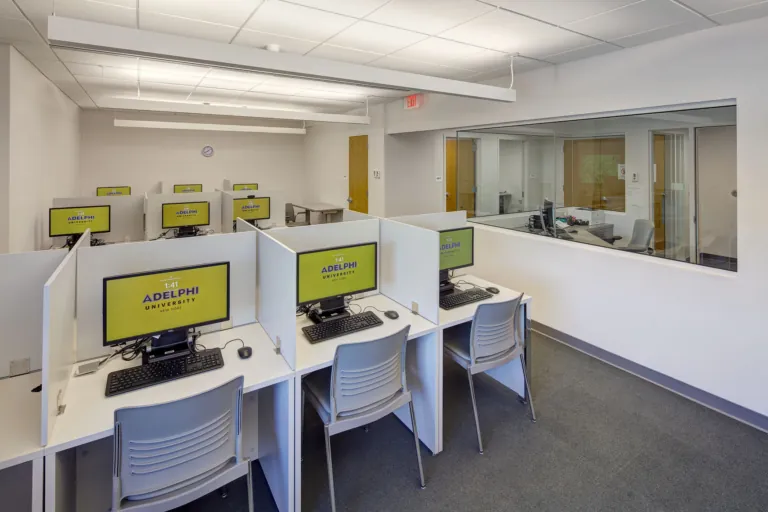
Shared offices can have several cleaning arrangements in the same building. A tenant may handle its own workspaces while management arranges the lobby, elevators, and shared restrooms. Problems arise when a room is used by everyone but its cleaning responsibilities are unclear.
We schedule a walkthrough with new clients to identify the areas their business is responsible for and any shared spaces they want included with management’s approval. That gives us a defined area to quote and a chance to review access before service starts.
A room-by-room list is more useful than a broad promise to clean the building. It can show who handles the reception area, corridors, meeting rooms, kitchens, and restrooms, along with the tasks and frequency for each.
Management’s existing agreement matters here. For example, a tenant’s cleaner may empty office bins while the building team manages the central waste storage area. Recording where those responsibilities meet helps prevent missed collections and duplicated work.
Entrance mats collect grit and moisture, while glass doors and reception counters show frequent use. The regular task list can cover mats, floors, door glass, accessible counters, and bins.
Traffic can build again between visits. To decide whether daytime attention is useful, we review when most people arrive and which entrances they use. Wet-weather needs can then be discussed alongside the usual schedule.
Counters, tables, sinks, appliance handles, and floors are common cleaning areas. Refrigerator interiors, microwave interiors, and cupboards require more detail about access and belongings.
For example, a refrigerator clean needs an arrangement for removing food before work starts. Recording that responsibility avoids asking a cleaner to decide which items belong to whom or what should be discarded.
Restroom cleaning can cover toilets, sinks, mirrors, counters, floors, and agreed touchpoints. In a busy shared office, those rooms may need a different visit frequency from private workspaces.
We also clarify who buys and restocks soap and paper products. A cleaning visit cannot resolve a supply shortage if the replacement products are not available. Persistent leaks or broken dispensers should be reported as maintenance issues.
To tailor our cleaning schedule to your office’s meeting calendar, let us know when rooms are free and which need attention before clients arrive. Tables, chair arms, bins, floors, and interior glass can be included in the room’s plan.
Screens, conferencing equipment, and control panels need handling instructions. Staff can help by clearing documents and personal belongings before the scheduled visit. This gives us access to the agreed surfaces without disrupting someone else’s work.
Hallway floors, elevator buttons, door handles, and stair handrails can be overlooked when contracts focus only on individual offices. Their cleaning needs to be assigned to the appropriate team, with methods suited to the material.
For businesses arranging office cleaning in Manhattan, contractor entry and service elevator rules also need to be agreed with building management.
It helps to name a tenant or management contact who can report a missed item, a booking change, or an access problem. Details about the room and time make those reports easier to act on than a general complaint about the building.
Our office cleaning services can be planned around the spaces your team uses. Get a quote for your shared office and tell us which areas fall under your responsibility.